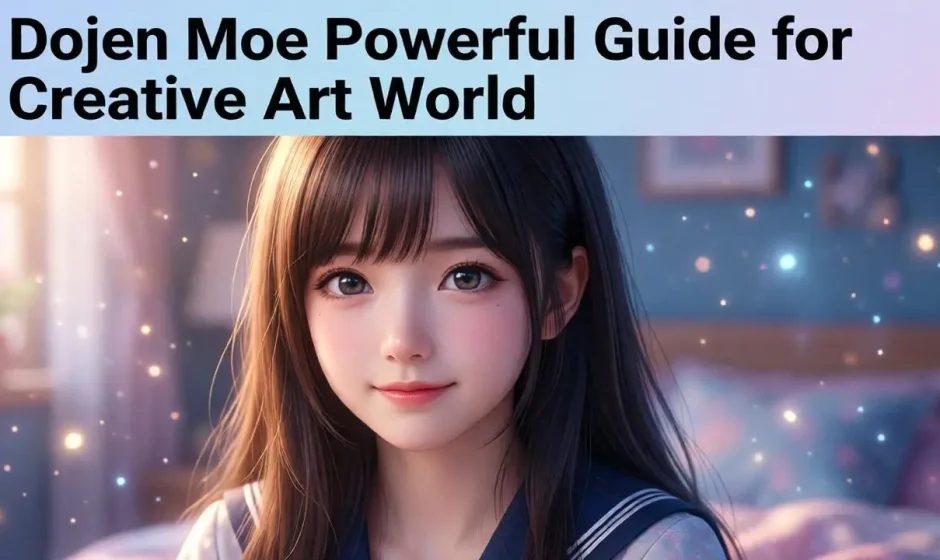

The term dojen moe is often seen in online discussions related to Japanese pop culture, digital art communities, and manga-inspired creative spaces. While the phrase may look unfamiliar at first glance, it is closely connected to the world of illustrated storytelling, character design, and fan-driven creative expression. To understand dojen moe properly, it is important to break it down into its cultural roots and explore how it fits into modern digital entertainment.
In today’s internet-driven world, niche terms like this often grow beyond their original meaning and become part of global online communities. People discover them through social platforms, digital libraries, and art-sharing websites. Over time, they develop layered meanings based on how users interact with them.
Understanding the Concept Behind Dojen Moe
The word moe in Japanese pop culture refers to a feeling of affection or emotional attachment toward fictional characters, usually those designed in an appealing, cute, or emotionally expressive style. It is not limited to appearance alone but also includes personality traits that make characters feel warm, relatable, or comforting.
The term dojen is often associated with “doujin,” which refers to self-published works created by independent artists or small groups. These works can include manga, illustrations, or stories that are not published through mainstream companies.
When combined, dojen moe can be understood as a creative expression that blends independent storytelling with emotionally appealing character design. It represents a space where artists create characters that evoke strong emotional responses from audiences.
The Cultural Background of Moe and Doujin Style Art
To fully understand dojen moe, it is important to look at the cultural environment it comes from. Japanese pop culture has long emphasized character-driven storytelling. Unlike Western media, which often focuses heavily on plot, Japanese visual storytelling places equal importance on characters and emotional connection.
The concept of moe emerged as a way to describe the emotional response people feel toward fictional characters. These characters are often designed with soft visual traits, expressive eyes, and personalities that evoke warmth or innocence.
On the other hand, doujin culture allows independent creators to produce and share their own works without strict publishing rules. This freedom leads to a wide variety of artistic styles, themes, and storytelling approaches.
When these two ideas merge, they create a space where creativity is not restricted by commercial limitations, allowing artists to focus on emotional expression and personal storytelling.
Why Dojen Moe Became Popular Online
The rise of digital platforms has played a major role in the popularity of dojen moe. Artists no longer depend solely on physical publications to share their work. Instead, they can publish directly online and reach global audiences instantly.
This accessibility has encouraged more creators to experiment with character design and storytelling. As a result, niche artistic styles like dojen moe have found dedicated communities across different countries.
Another reason for its popularity is emotional connection. Many users are drawn to characters that feel expressive, comforting, or relatable. In a fast-paced digital environment, people often look for content that provides emotional relief or escapism.
Artistic Expression in Dojen Moe Culture
One of the most important aspects of dojen moe is artistic freedom. Independent creators are not bound by strict commercial guidelines, which allows them to explore unique ideas.
Characters created in this style often focus on emotional depth rather than realism. Their expressions, body language, and design elements are carefully crafted to evoke feelings in the viewer.
This type of art often emphasizes simplicity combined with emotional detail. Even small design choices, such as eye shape or color tone, can significantly influence how a character is perceived.
The Role of Digital Communities
Online communities play a crucial role in the growth of dojen moe. Artists and fans interact through forums, social platforms, and creative sharing websites.
These communities allow users to discuss character designs, share artwork, and exchange creative ideas. Over time, this interaction builds a strong sense of belonging among participants.
Many independent artists also receive feedback and encouragement from these communities, which helps them improve their skills and continue creating.
Emotional Connection and Character Appeal
A key reason behind the appeal of dojen moe is emotional connection. Characters are often designed to trigger feelings of warmth, affection, or nostalgia.
This emotional design approach is what sets moe-style art apart from other visual styles. Instead of focusing only on action or realism, it prioritizes emotional response.
People often develop attachments to fictional characters because they reflect idealized traits or comforting personalities. This connection is a major reason why such content remains popular.
Dojen Moe in Modern Digital Media
In modern digital media, dojen moe influences various forms of content creation. From illustrations to animations and digital storytelling, its impact can be seen across multiple platforms.
Independent artists use this style to create unique characters and stories that stand out in crowded digital spaces. Social media platforms further amplify this reach by allowing content to be shared instantly with global audiences.
This has led to a blending of traditional artistic techniques with modern digital tools, resulting in highly creative and visually appealing works.
Challenges in Independent Creative Spaces
While dojen moe culture provides freedom, it also comes with challenges. Independent artists often face difficulties in gaining visibility due to the large volume of content available online.
Competition is high, and standing out requires consistency, creativity, and strong engagement with audiences.
Another challenge is maintaining originality. Since many artists share similar inspirations, it becomes important to develop a unique artistic identity.
Despite these challenges, the community continues to grow, driven by passion and creative expression.
Influence on Global Pop Culture
The influence of dojen moe is not limited to one region. It has become part of global pop culture through anime, gaming, and digital art communities.
People from different backgrounds engage with this style, even if they are not familiar with its cultural origins. This global reach highlights how digital art can cross cultural boundaries.
Characters designed in this style often appear in fan art, digital illustrations, and online storytelling platforms, further expanding its presence.
Why People Are Drawn to Moe-Style Characters
The appeal of moe-style characters lies in their emotional design. They are often created to be visually soft, expressive, and emotionally engaging.
In many cases, these characters provide a sense of comfort or familiarity. This emotional response is what makes them memorable to audiences.
People are naturally drawn to content that evokes emotion, and moe-style art is specifically designed to achieve that effect.
The Future of Dojen Moe Culture
As digital creativity continues to evolve, dojen moe is likely to remain an important part of online artistic communities.
With advancements in digital tools, artists have more opportunities to experiment with styles, colors, and storytelling techniques.
The future may also bring more collaboration between independent creators and larger platforms, further expanding the reach of this artistic style.
FAQs
1. What does dojen moe mean?
Dojen moe refers to a combination of independent creative works and emotionally expressive character design often found in Japanese-inspired digital art culture.
2. Is dojen moe related to anime?
Yes, it is closely related to anime and manga-style art, especially in independent or fan-created works.
3. Why is moe art popular?
Moe art is popular because it focuses on emotional connection and character appeal, creating strong attachment between viewers and fictional characters.
4. Where is dojen moe content found?
It is commonly found on digital art platforms, fan communities, and online creative sharing websites.
5. Is dojen moe only for professional artists?
No, it is open to both professional and independent creators who want to express their creativity through character design and storytelling.
Final Thoughts
Dojen moe represents a creative space where emotional storytelling and independent artistic expression come together. It reflects the growing influence of digital culture on modern creativity.
While its meaning may vary depending on context, its core idea remains rooted in emotional connection and artistic freedom. As online communities continue to grow, this style of expression will likely remain an important part of global digital art culture.
For More Visits: Urbanmagazine