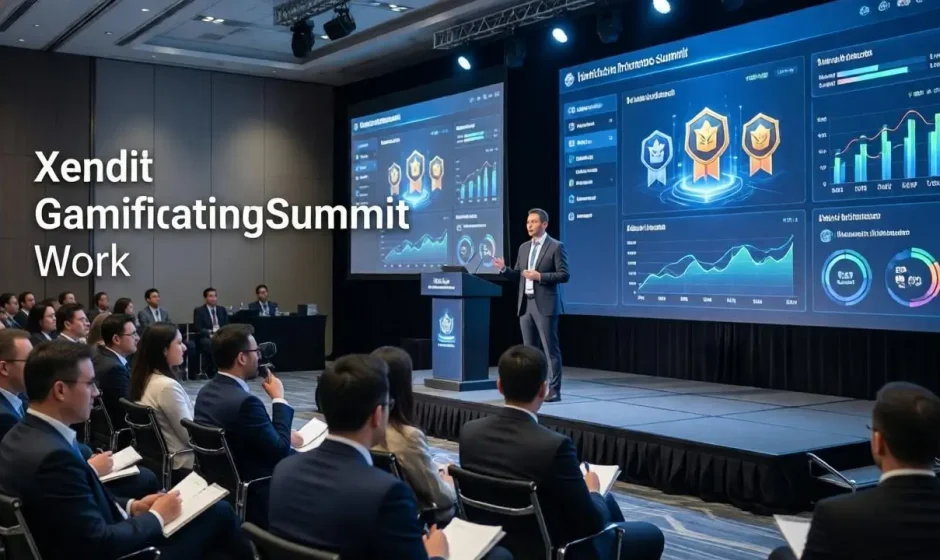

In today’s competitive business environment, organizations are constantly searching for better ways to improve employee engagement, productivity, and workplace satisfaction. Traditional management methods often struggle to keep employees motivated over long periods, especially in fast-paced digital industries. This challenge has encouraged many companies to explore innovative approaches that make work more engaging and rewarding. One concept that has gained significant attention is workplace gamification.
The phrase xendit gamificationsummit work has become increasingly relevant among professionals interested in employee engagement, performance management, and digital workplace innovation. It reflects the growing conversation around how gamification principles can be applied within organizations to create stronger teams, encourage collaboration, and drive meaningful results.
Gamification is no longer limited to mobile applications or entertainment platforms. Businesses around the world are integrating game-inspired systems into their daily operations to improve employee experiences. When implemented correctly, gamification creates a work environment where employees feel motivated, recognized, and connected to organizational goals.
Understanding the Concept of Gamification in the Workplace
Gamification refers to the use of game-like elements in non-game environments. These elements may include achievement badges, progress tracking, leaderboards, rewards, challenges, milestones, and recognition systems. The purpose is not to turn work into a game but to use proven motivational techniques that encourage participation and commitment.
Employees often perform better when they can clearly see their progress and understand how their contributions impact the broader organization. Gamification introduces visibility and structure into everyday tasks, making work feel more meaningful and rewarding.
Within the context of xendit gamificationsummit work, the focus revolves around creating systems that support employee development while maintaining productivity. Instead of relying solely on annual performance reviews or traditional incentive programs, organizations can create continuous engagement through interactive performance mechanisms.
Why Employee Engagement Matters More Than Ever
Employee engagement plays a critical role in organizational success. Engaged employees are more likely to remain committed to their work, contribute innovative ideas, and deliver higher-quality results. On the other hand, disengaged employees may experience lower motivation levels, reduced productivity, and increased turnover intentions.
Modern workplaces face unique challenges. Remote work arrangements, digital communication platforms, and changing workforce expectations have transformed how employees interact with their organizations. As a result, companies must find creative ways to maintain strong connections between employees and business objectives.
Gamification addresses these challenges by introducing measurable goals and rewarding achievements. Employees receive immediate feedback, which creates a stronger sense of accomplishment. This continuous recognition can significantly improve morale and workplace satisfaction.
The principles associated with xendit gamificationsummit work demonstrate how organizations can move beyond traditional engagement strategies and create dynamic environments where employees remain motivated throughout their professional journey.
The Role of Recognition in Workplace Success
Recognition is one of the most powerful drivers of employee motivation. Many employees value appreciation just as much as financial rewards. When employees feel that their efforts are acknowledged, they are more likely to remain committed and perform at higher levels.
Gamification provides structured opportunities for recognition. Employees can earn badges, points, certifications, or status levels based on their accomplishments. These achievements create visible proof of progress and encourage continued participation.
Recognition systems can also strengthen workplace culture. When employees celebrate each other’s successes, collaboration improves naturally. Team members become more invested in collective achievements rather than focusing solely on individual performance.
A workplace inspired by xendit gamificationsummit work principles can create an environment where recognition becomes a regular part of daily operations instead of an occasional management activity.
How Gamification Improves Productivity
Productivity improvement is one of the primary reasons organizations invest in gamification initiatives. Employees often respond positively when tasks are connected to clear objectives and measurable outcomes.
Gamification breaks larger goals into smaller, manageable milestones. This approach helps employees maintain momentum and avoid feeling overwhelmed by complex projects. Progress indicators provide motivation because employees can see how close they are to achieving specific targets.
Additionally, friendly competition can encourage employees to perform at their best. When designed appropriately, leaderboards and achievement systems inspire individuals to improve without creating unhealthy workplace pressure.
The effectiveness of xendit gamificationsummit work strategies lies in balancing competition with collaboration. Successful gamification programs encourage personal growth while maintaining strong team relationships.
Learning and Development Through Gamification
Employee learning is essential for long-term organizational growth. However, traditional training programs often struggle to maintain participant engagement. Employees may view training sessions as mandatory requirements rather than opportunities for development.
Gamification transforms learning experiences by making education more interactive and rewarding. Employees can complete challenges, earn certifications, unlock new content, and track their learning progress. This structure increases participation rates and improves knowledge retention.
Interactive learning experiences encourage employees to actively engage with training materials. Instead of passively consuming information, they become participants in their own development journey.
Organizations embracing xendit gamificationsummit work concepts frequently integrate gamification into learning management systems to support continuous skill development and career advancement.
Strengthening Team Collaboration
Strong teamwork is essential for business success. Organizations rely on collaboration to solve problems, drive innovation, and achieve strategic goals. However, maintaining effective teamwork can be challenging, particularly in distributed or remote work environments.
Gamification creates opportunities for employees to work together toward shared objectives. Team challenges, collaborative missions, and group achievement systems encourage communication and cooperation.
Employees become more willing to support one another when success depends on collective performance. Shared rewards reinforce positive behaviors and strengthen relationships among team members.
The collaborative focus often associated with xendit gamificationsummit work highlights the importance of creating workplace systems that reward both individual excellence and team success.
Building a Positive Workplace Culture
Workplace culture influences nearly every aspect of organizational performance. A positive culture can improve employee retention, attract top talent, and enhance overall productivity.
Gamification contributes to culture development by reinforcing desired behaviors and organizational values. Employees receive recognition for actions that align with company objectives, creating consistency across the organization.
For example, if collaboration is a core company value, gamification systems can reward employees who actively support colleagues and contribute to team initiatives. Over time, these behaviors become embedded within the workplace culture.
Organizations that incorporate xendit gamificationsummit work strategies often focus on creating environments where employees feel empowered, appreciated, and connected to a larger purpose.
The Importance of Data and Performance Insights
One advantage of gamification is its ability to generate valuable performance data. Organizations can track participation rates, achievement levels, training completion, and employee engagement metrics.
These insights help leaders understand what motivates employees and identify areas for improvement. Data-driven decision-making allows organizations to refine engagement strategies and maximize their effectiveness.
Employees also benefit from access to performance information. Clear visibility into progress enables individuals to set realistic goals and monitor their own development.
The analytical component of xendit gamificationsummit work demonstrates how organizations can combine motivation with measurable outcomes to achieve sustainable success.
Challenges Organizations Should Consider
While gamification offers numerous benefits, successful implementation requires careful planning. Poorly designed systems can create unintended consequences, including excessive competition or reduced collaboration.
Organizations should ensure that rewards align with meaningful business objectives. Employees must understand the purpose behind gamified activities and how they contribute to organizational success.
Another important consideration is inclusivity. Gamification systems should accommodate different personality types and work styles. Not every employee is motivated by competition, so organizations should offer diverse engagement opportunities.
When implemented thoughtfully, gamification can enhance workplace experiences without creating unnecessary pressure or distractions.
The Future of Workplace Gamification
The future of workplace gamification appears promising as organizations continue exploring innovative approaches to employee engagement. Advances in digital technology, artificial intelligence, and data analytics are creating new possibilities for personalized employee experiences.
Future gamification systems may offer customized challenges, adaptive learning paths, and real-time feedback tailored to individual preferences. These developments could further improve engagement, productivity, and employee satisfaction.
As workplace expectations evolve, organizations must remain flexible and responsive. Employees increasingly seek meaningful work experiences that support both professional growth and personal fulfillment.
The growing interest in xendit gamificationsummit work reflects a broader shift toward employee-centered workplace strategies. Companies recognize that motivated employees are essential for long-term success and sustainable growth.
Conclusion
The concept of xendit gamificationsummit work represents an important discussion about the future of employee engagement and workplace innovation. Gamification provides organizations with practical tools for improving motivation, productivity, learning, collaboration, and recognition.
By applying game-inspired principles to workplace processes, companies can create environments where employees feel valued and empowered. The result is often higher engagement, stronger performance, and a more positive organizational culture.
As businesses continue adapting to changing workforce expectations, gamification is likely to remain an influential strategy for building motivated and high-performing teams. Organizations that embrace thoughtful and balanced gamification approaches can create workplaces that support both employee success and business growth.
Frequently Asked Questions
What is xendit gamificationsummit work?
Xendit gamificationsummit work refers to workplace discussions and strategies centered around using gamification techniques to improve employee engagement, productivity, learning, and overall organizational performance.
How does workplace gamification improve employee motivation?
Workplace gamification improves motivation by providing clear goals, visible progress tracking, recognition systems, rewards, and achievement opportunities that encourage employees to stay engaged.
Can gamification increase productivity?
Yes, gamification can increase productivity by breaking large goals into smaller milestones, providing continuous feedback, and encouraging employees to remain focused on performance objectives.
Is gamification suitable for remote teams?
Gamification can be highly effective for remote teams because it creates engagement opportunities, promotes collaboration, and helps employees stay connected to organizational goals regardless of location.
What are the main benefits of workplace gamification?
Key benefits include higher employee engagement, improved productivity, stronger collaboration, enhanced learning experiences, better recognition programs, and a more positive workplace culture.
Are there any risks associated with gamification?
Potential risks include excessive competition, poorly aligned rewards, and employee disengagement if the system is not designed carefully. Organizations should focus on balance and inclusivity when implementing gamification strategies.
Why is workplace recognition important?
Recognition helps employees feel valued and appreciated. Consistent recognition improves morale, increases motivation, and encourages long-term commitment to organizational objectives.
For More Visits: Urbanmagazine